Humanization Overview
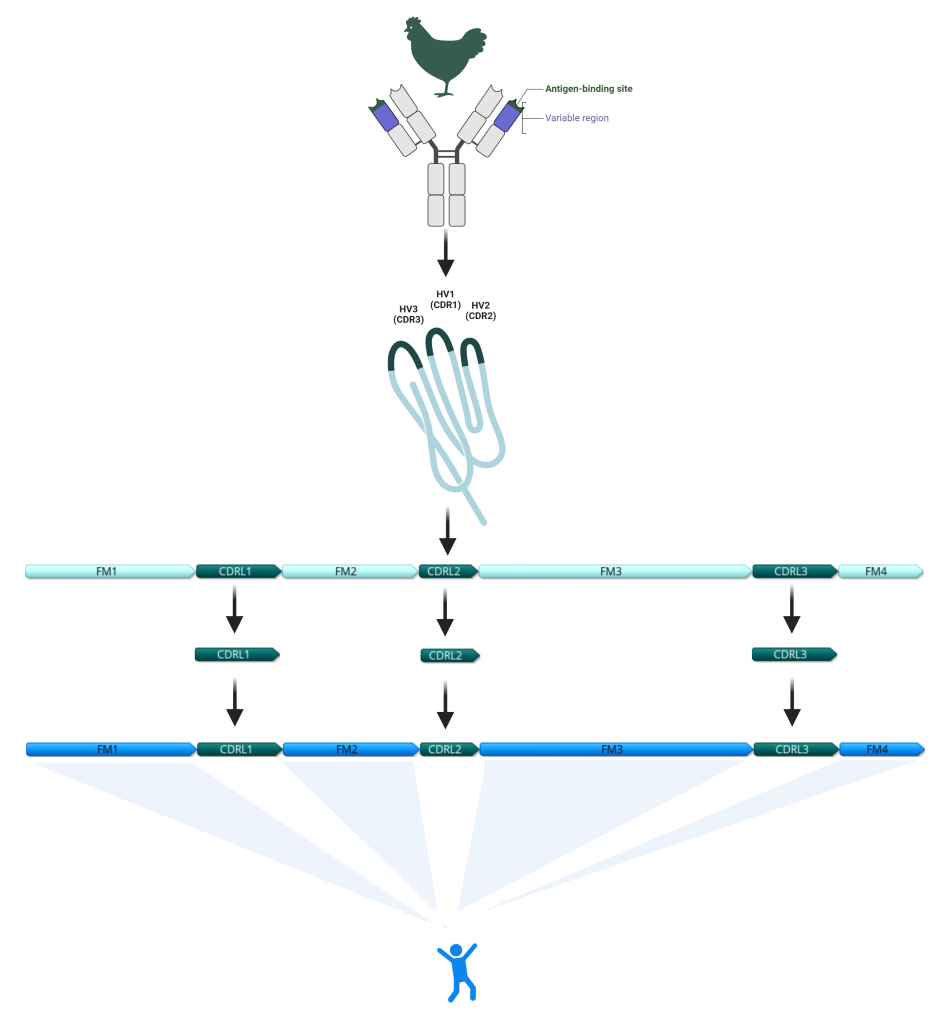
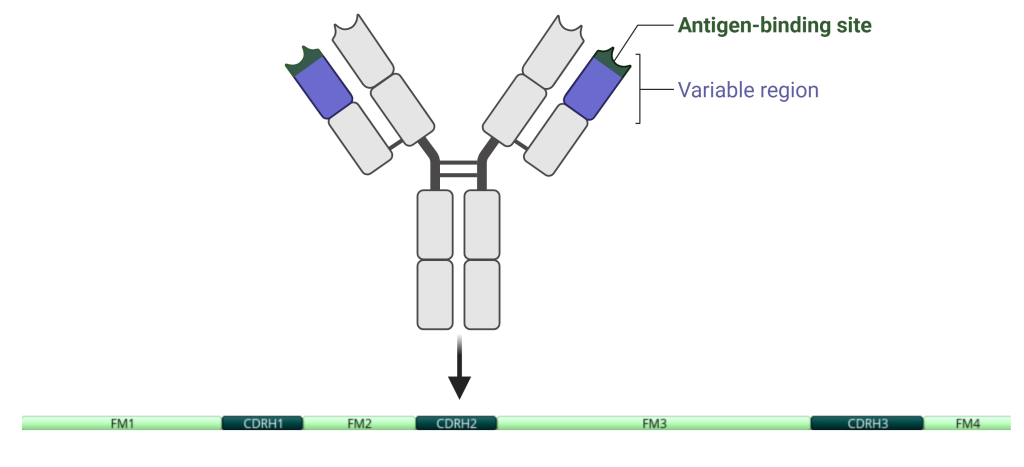
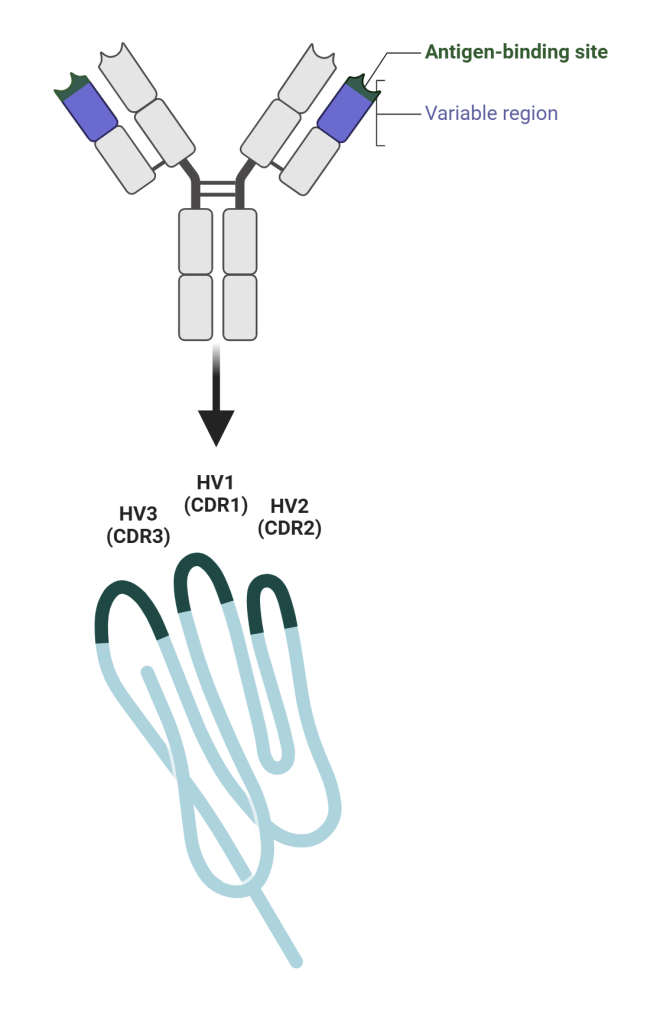
Our humanization workflow leverages CDR grafting and structure-guided engineering to transfer antigen-binding regions from animal-derived antibodies onto optimized human antibody frameworks, preserving binding affinity while reducing immunogenicity and improving therapeutic compatibility.
Seamless Computationally Accelerated Therapeutics
In collaboration with 9Bio Therapeutics, our antibody humanization platform combines advanced computational design, structure-guided engineering, and developability assessment to optimize therapeutic candidates while preserving affinity and functionality.
By integrating in silico analysis with experimental validation, we streamline the transition from discovery antibodies to clinically relevant molecules with improved stability, reduced immunogenicity, and enhanced manufacturability.
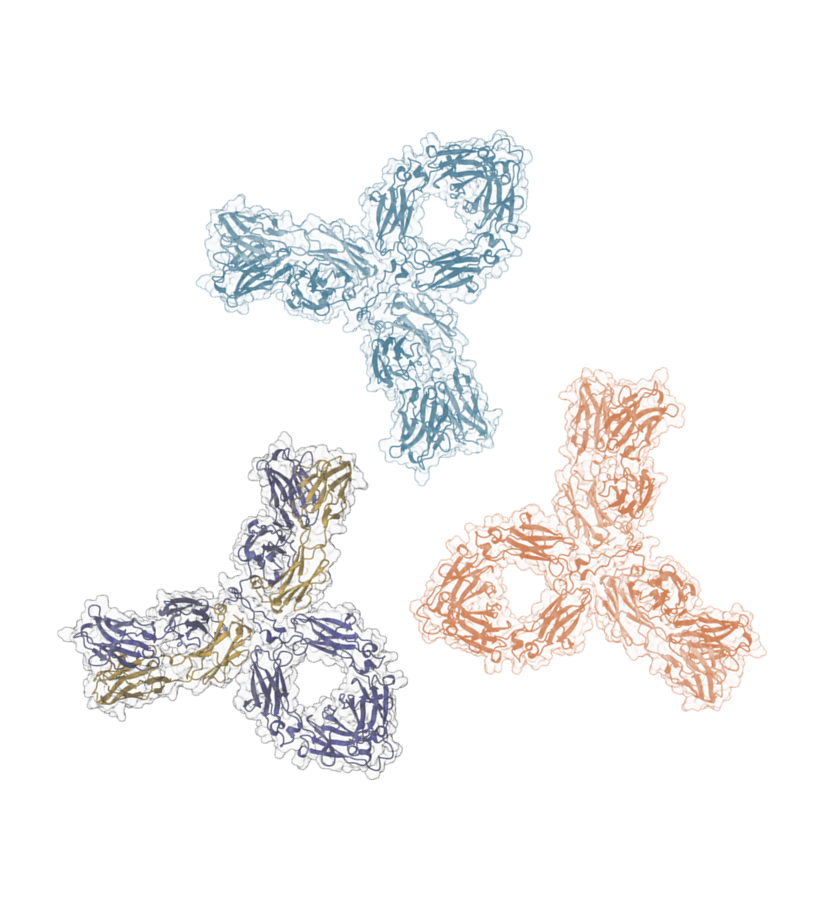
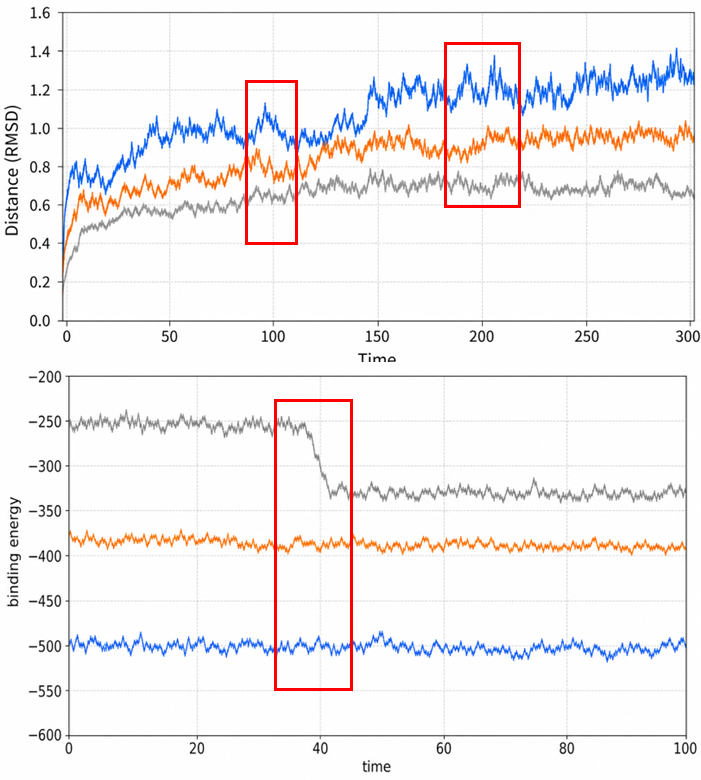
We offer multiple antibody engineering and optimization pipelines tailored to the specific needs of each therapeutic program, ranging from rapid sequence-based screening approaches to advanced structure-guided and molecular dynamics-driven computational workflows.

Available Pipelines
 |
 |
|
|
|
Humanization |
Hyper-humanization |
High-resolution Hyper-Humanization |
|
|
Germline alignment & framework selection |
Top 3 |
All Germlines |
All Germlines |
|
In silico CDR grafting |
✓ |
✓ |
✓ |
|
Generation of back-mutation variants |
✓ |
✓ |
✓ |
|
Sequence liability assessment |
✓ |
✓ |
✓ |
|
Static structural modeling of CDR boundary mutational tolerance |
✓ |
✓ |
|
|
Dynamic structural modeling |
✓ |
||
|
Production efficiency evaluation |
✓ |
✓ |
✓ |
|
Affinity measurement |
✓ |
✓ |
✓ |
|
Purification and manufacturability evaluation |
Optional |
Optional |
Optional |
|
Affinity measurement |
Optional |
Optional |
Optional |
|
Full report |
✓ |
✓ |
✓ |
Step by Step Humanization Process
Step 1 – CDR Grafting
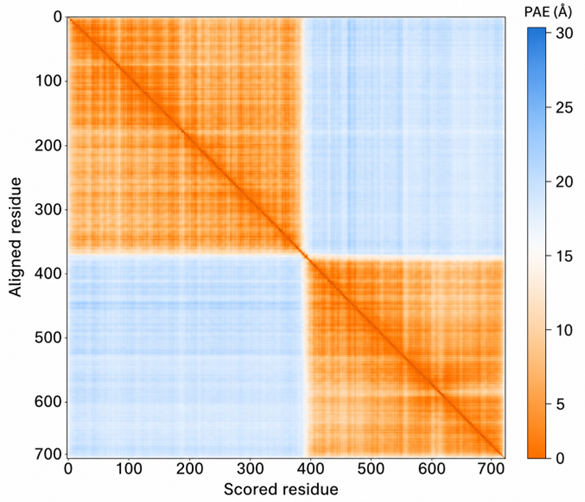
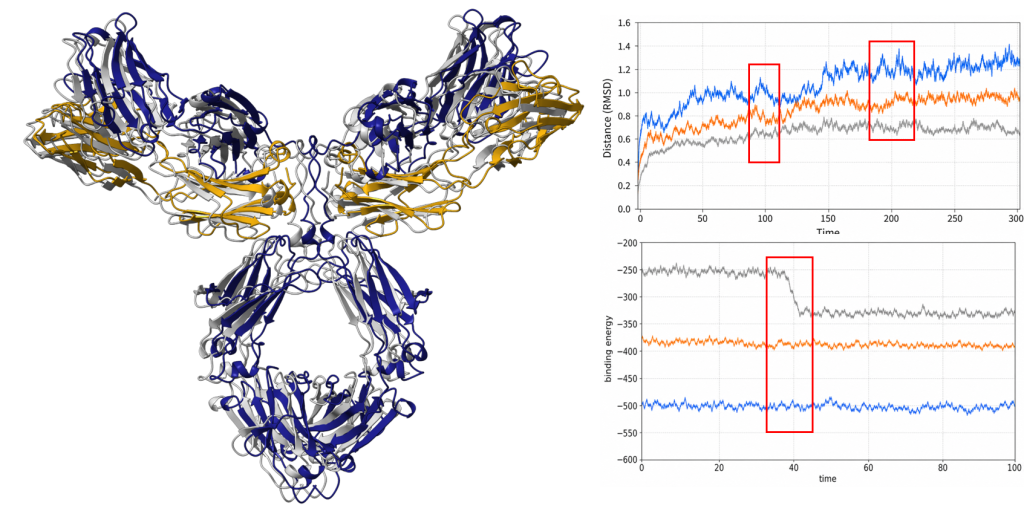
Our molecular dynamics and structural simulation workflows enable detailed analysis of antibody stability, flexibility, and intermolecular interactions over time, allowing us to identify potential developability liabilities early in the design process. In addition, early in vitro measurement of developability and affinity characteristics allows selections of the best candidates early in the development process.
|
|
 |
Base Pipeline |
Hyper-HumanizationHigh-Resolution Humanization |
 |
 |
|
Multiple Alignments to Find Best Germlines for Humanization and selection of VH/VL Pairing |
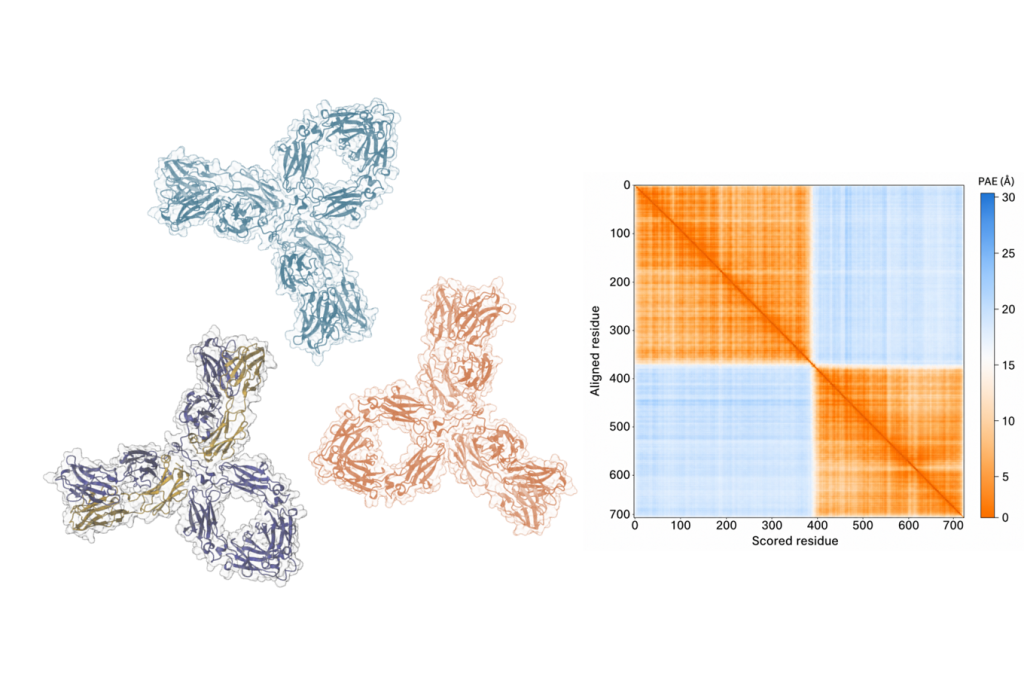  Alignments to all human germlines and best germline pick based on CDR geometry and orientation conservation |
|
|
Step 2 – Micro-Scale Production
In the second step of the pipeline, small production of antibodies will allow hands-on measurment of antibody properties. To generate quality data, we use HPLC-SEC, iQue®3 (HTP-Flow Cytometer) and ELISA assays.


Measurements include:
Production Yields
VH/VL pairing efficiency
Aggregation
Fragmentation
These properties are excellent predictors of antibody developability, manufacturability, solubility and stability.
Step 3 – Binding Strength and Specificity
Pipeline to ensure antibody binding and specificity will be developped according to the client’s needs and goals. Detailed report will be provided.
Binding strength and specificity measure by ELISA or flow cytometry.

Step 4 – High-Resolution Kinetic Analysis
High-resolution kinetic curves can be generated for selected antibodies, ensuring complete characterization of antibody variants.


Instruments Available
Acuity Arc HPLC (HPLC-SEC)
- Assess protein purity and stability
- Up to 96 proteins per day

iQue®3 (HTP-Flow Cytometer)
- Assess binding and blocking capacities on cells or beads
- Up to 384 samples in 30 minutes
- 3 lasers (VBR) & 15 detection channels
- Low sample / time consumption
- Different kits available

Sony SH800S (FACS)
- Assess binding and blocking capacities on cells or beads
- Cell sorting into tubes or 384 well plates (SH800S)
- 4 lasers (VYBR) & 8 detection channels (SH800S)

Carterra LSA (HTP-SPR) & Octet Red 384 (BLI)
- Obtain binding kinetics (KD,ka,kd)
- Up to 1152 clones (SPR) & 384 (BLI) per run
- Epitope binning (384×384 pairwise interactions)
- Epitope mapping
- Screening of purified or crude protein extracts
- Low sample / time consumption (SPR)
- Up to 1600 proteins per week

