
Immune Biosolutions, in collaboration with 9Bio Therapeutics, offers several pipeline for optimization of your existing antibodies.
How Affinity Maturation Evolved in vivo
Affinity maturation is a natural process that evolved to generate of high affinity antibodies as a response to invading pathogens. This allows efficient immune response and increased survival. In chickens specifically, paratope diversity stems exclusively from somatic hypermutations.
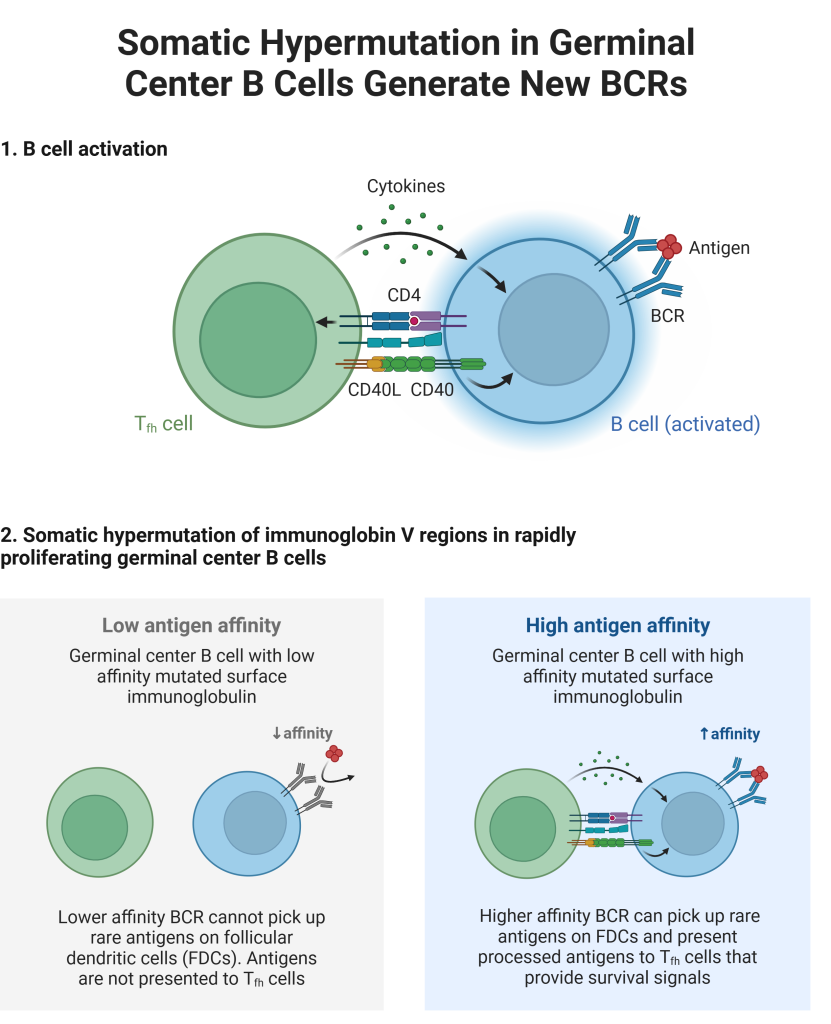
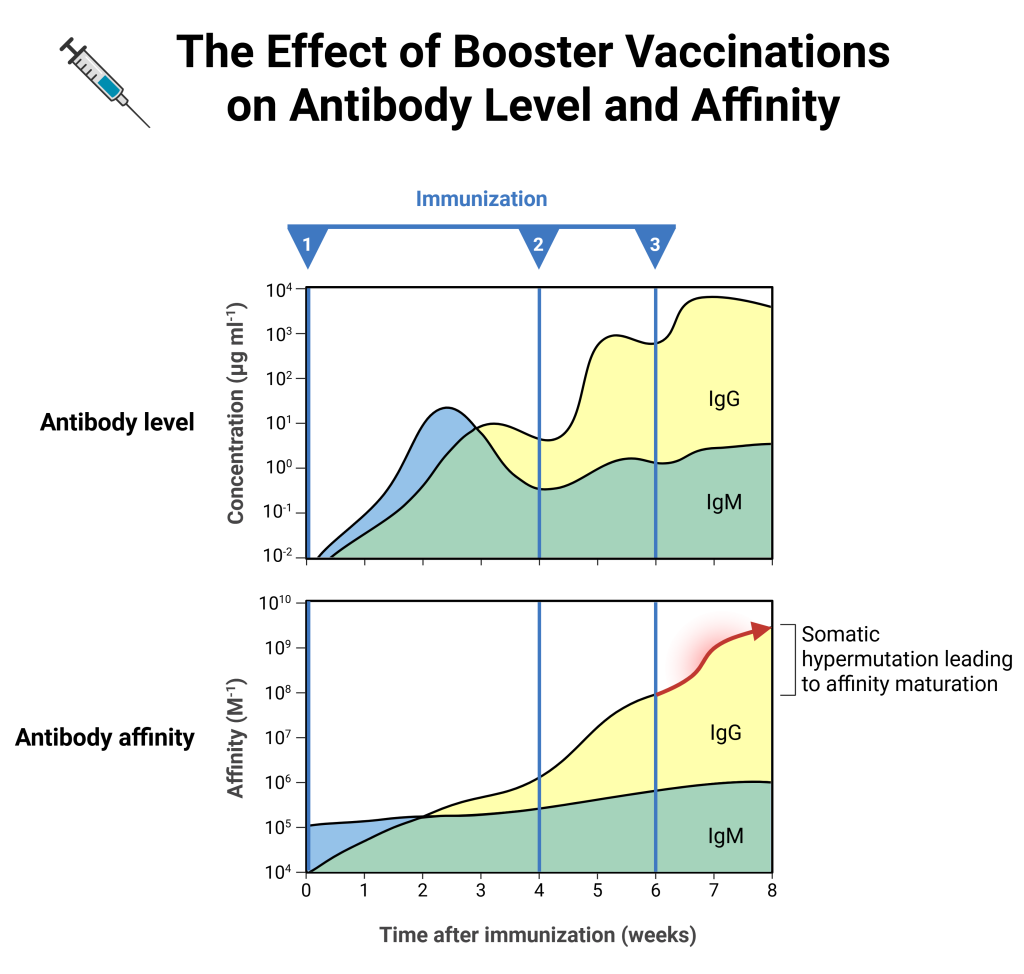
Immunization to exploit natural affinity maturation
This process is used to generate high-affinity antibodies through the immunization process.
Offered Affinity Maturation Pipelines
Affinity may be optimized for antibodies by targeting permissive positions within the complementarity-determining regions (CDRs), enabling sequence diversification while preserving antigen recognition. We offer affinity maturation services across three levels of computational support, ranging from substitution matrices to advanced structure-guided engineering and molecular dynamics-driven optimization, allowing each campaign to be tailored to the desired balance of speed, depth, and predictive power.
 |
 |
|
|
|
CDRH3 |
Affinity |
High-Resolution Affinity |
|
|
CDRH3 substitution matrix |
✓ |
||
|
VH & VL optimization |
✓ |
✓ |
|
|
Dynamic structural modeling |
✓ |
||
|
In vitro combination matrix of VH/VL |
✓ |
✓ |
|
|
Selection of best variants |
All tested |
✓ |
✓ |
|
Sequence liability assessment |
✓ |
✓ |
|
|
Production efficiency evaluation |
✓ |
✓ |
✓ |
|
Affinity measurement |
✓ |
✓ |
✓ |
|
Purification and manufacturability evaluation |
Optional |
Optional |
Optional |
|
Affinity measurement |
Optional |
Optional |
Optional |
|
Full report |
✓ |
✓ |
✓ |
Pipeline Overview
CDRH3
The CDRH3 pipeline aims to optimize directly the most critical region for affinity and specificity determination. By performing a complete substitution matrix across all positions, this pipeline maximizes the probability of identifying high-impact mutations within the primary binding determinant, enabling substantial affinity improvements in a single engineering campaign.
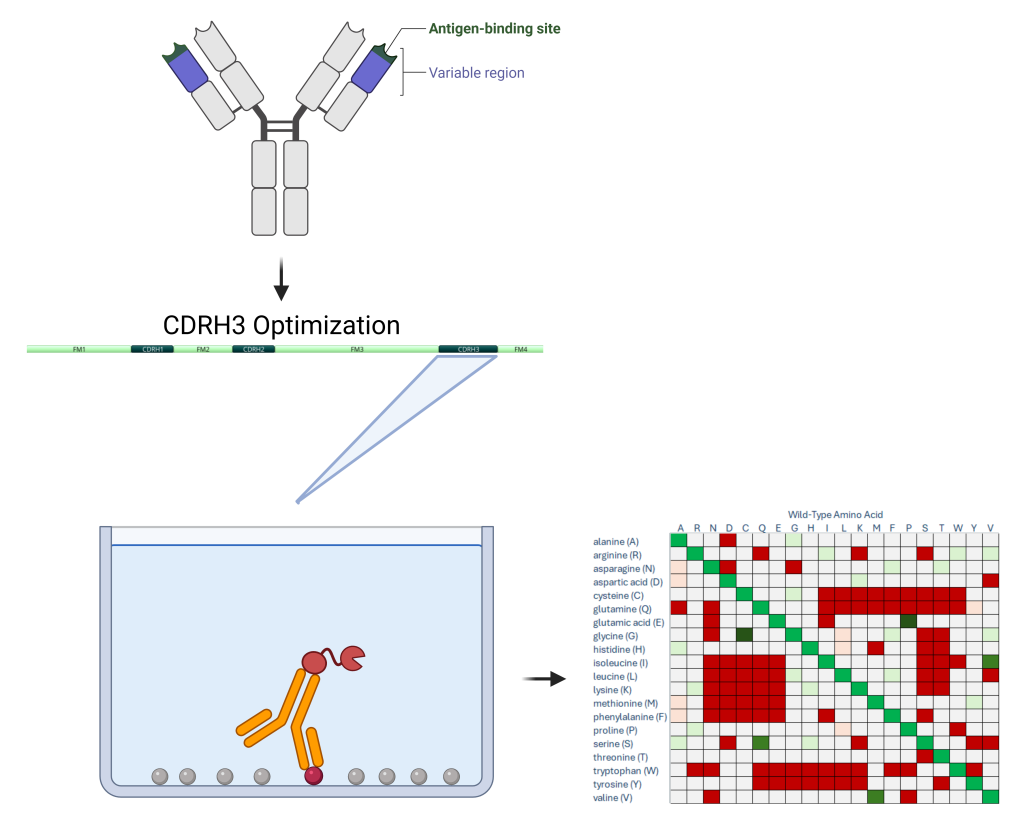
Affinity and high-resolution affinity
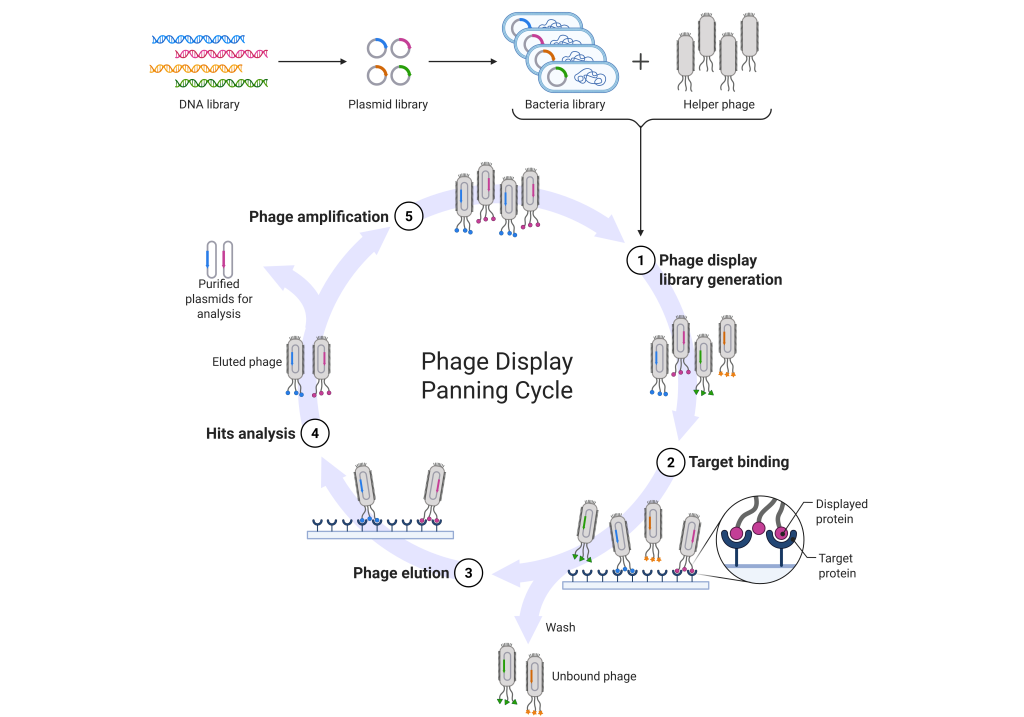
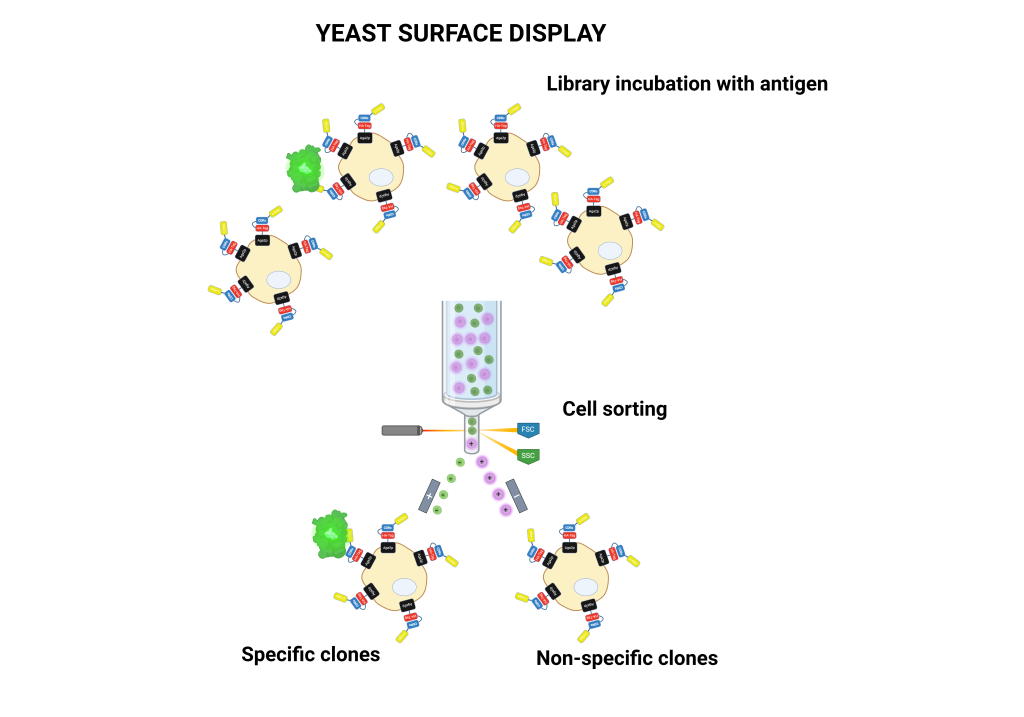
This structure-guided affinity maturation pipeline leverages static molecular modeling to identify permissive positions across all CDRs. Selected mutations are combined within both VH and VL domains and screened by phage or yeast display, enabling the rapid identification of optimized antibody variants with enhanced affinity and specificity.
The first step of the affinity pipeline is to identify permissive positions through computational modeling, and perform targeted degenerate diversification at these positions to generate a variety of heavy and light chain variants.
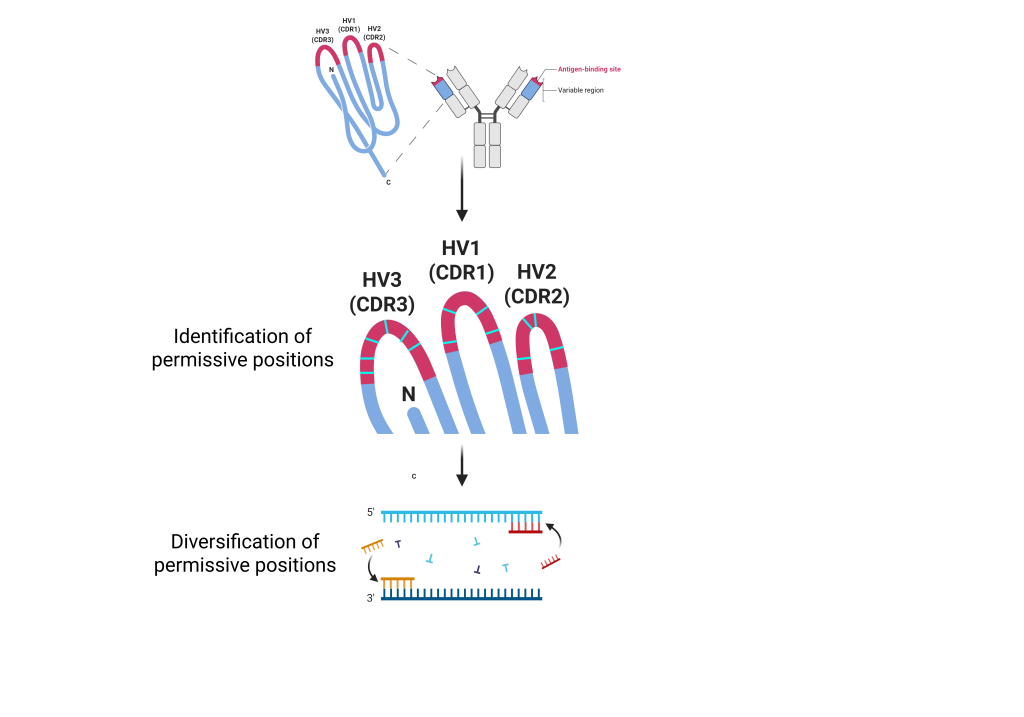
Affinity vs high-resolution affinity
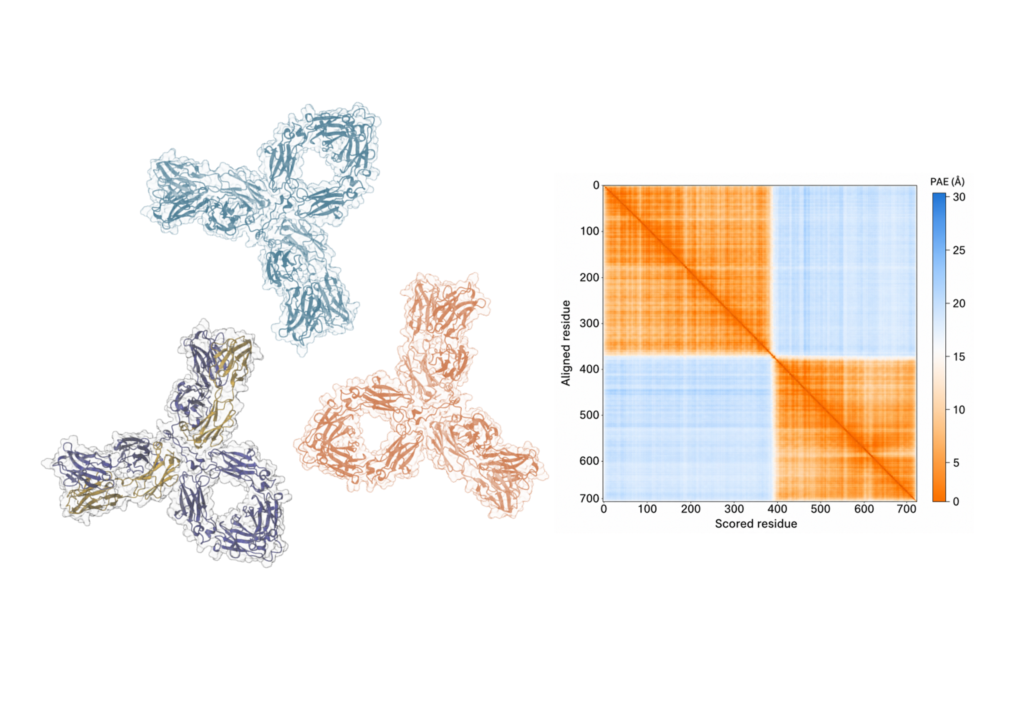
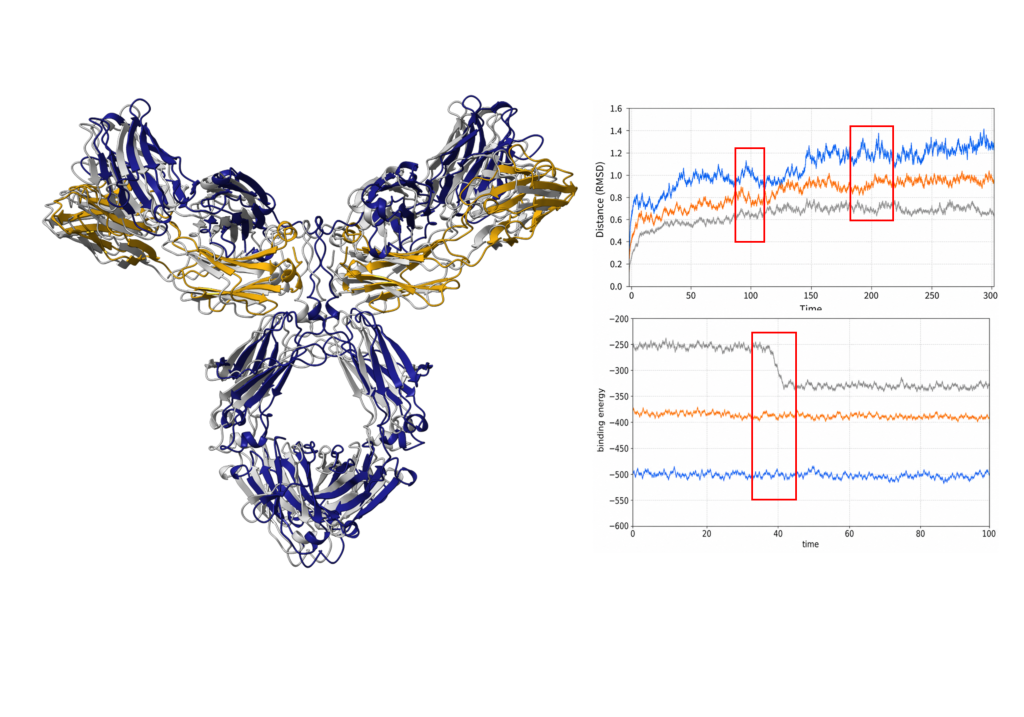
The affinity pipeline models antibody structure through static modeling for a single structure, while the high-resolution affinity pipeline also evaluates the structural stability and binding energetics through molecular dynamics (MD) simulations.
Static Modeling
Molecular Dynamics
Final Selection
Once a variant library has been synthesised, we use phage or yeast display to test for the best binders, compared to the wild-type antibodies. This will allow large-scale testing of sequence variants, but also combination of diverse heavy and light chains.
The Immune Biosolutions team is ready to help optimize sequences to propel therapeutic projects forward. Contact us for more details on your custom projects!